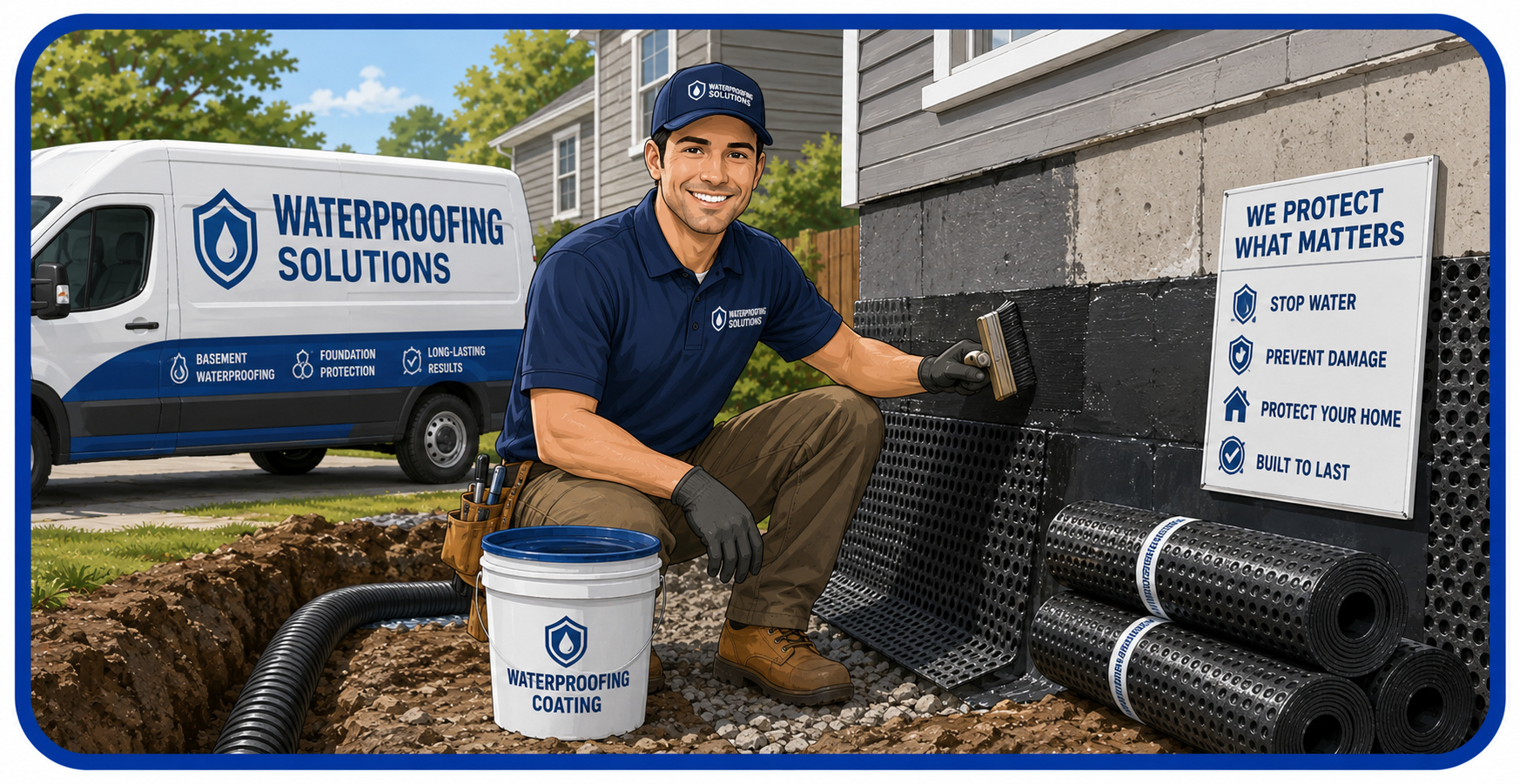
We classify every crack before injecting it — structural cracks get epoxy, active leaks get flexible polyurethane, and both get a written scope before we start.
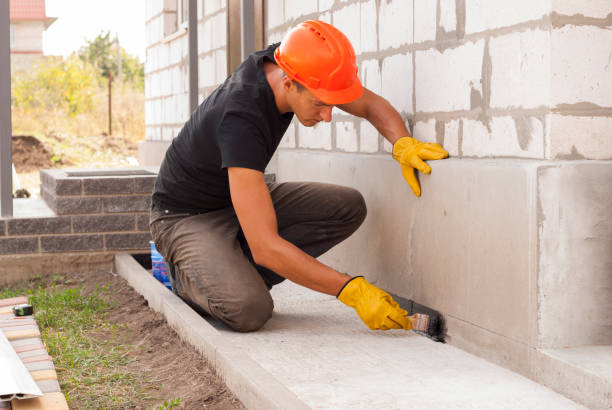
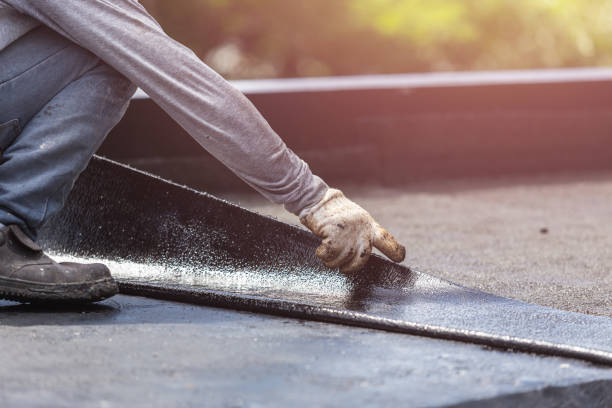
Misclassifying a crack is the single most common mistake in this trade — treating a structural crack with the wrong material, or injecting a crack that actually needed a broader drainage fix behind it. We classify before we inject, every time.
Our technicians are trained to tell a cosmetic hairline crack apart from one that signals structural movement, before recommending a fix.
Most crack injection appointments can be scheduled within a day or two of your call.
A single crack repair is one of the most predictably priced jobs we do — no surprise scope creep.
Polyurethane expands to fill voids behind an actively weeping wall; epoxy is reserved for cracks that need structural bonding.

We scope every Foundation Crack Repair job in person before quoting it, since two properties with the same symptom rarely need the same fix.
Epoxy-injected cracks regain much of their original structural strength, which matters for load-bearing foundation walls.
Cracks that are still weeping get flexible polyurethane, which expands into voids and stays flexible enough to handle minor seasonal movement.
Stair-step cracking in block foundation walls needs a different injection port pattern than a vertical crack in poured concrete, and we adjust technique accordingly.
We document crack width and location with photos before and after injection so you have a record of the repair.
Fast turnaround matters during a real estate transaction, and we prioritize scheduling for time-sensitive pre-sale repairs.

Photos texted ahead of time help us prep for the visit and sometimes speed up scheduling.
A technician measures crack width, checks for wall bowing, and determines whether it's structural, cosmetic, or actively leaking.
We explain why we're recommending one material over the other so the choice isn't a black box.
We check the injection ports after curing to confirm the material fully filled the crack before we consider the job done.

"Crack in our basement wall had been leaking for a year before we finally called. Injection took less than an afternoon and it's been dry since."
— Lincoln Seller
"Polyurethane injection stopped an active leak the same day they showed up — didn't expect it to be that fast."
— Lincoln Homeowner
"Appreciated the before-and-after photos for our records in case we ever need them for a future sale."
— Lincoln Customer
"Fast, clean work — no mess left behind after the injection ports were patched."
— Lincoln Homeowner
Crack classification is separate from water contamination — we assess whether the crack is structural or cosmetic based on width, pattern, and any wall bowing.
Catching a crack early with injection usually costs less than waiting until it's actively leaking.
Epoxy is better for structural bonding on a non-leaking crack; polyurethane is better for a crack that's actively weeping since it cures even with water present.
Multiple cracks or hard-to-access areas can extend the timeline, which we'll flag in the written quote.
If new movement occurs elsewhere in the wall, that's a separate issue we'd assess independently.
Turnaround is usually fast enough to fit within a typical closing timeline.
Selling a Lincoln property on a tight timeline? Call +1-866-476-1348 and we'll prioritize scheduling around your closing date.


Zip codes we serve in Lincoln, IL: 62656
One call gets you a licensed specialist, a written quote, and a same-day time window.
Call +1-866-476-1348© SGP Waterproofing. All rights reserved.